Mini Honysa: A Modern Design Element for Branding and Creative Workflows
Mini Honysa is a versatile design element that has gained popularity across multiple industries due to its clean, modern aesthetic and adaptability. Whether you're working on branding materials, wedding designs, or product packaging, Mini Honysa offers a subtle yet effective way to enhance visual appeal without overwhelming the viewer. This article explores how Mini Honysa integrates into various creative workflows and provides practical examples of its application.
Understanding Mini Honysa and Its Visual Impact
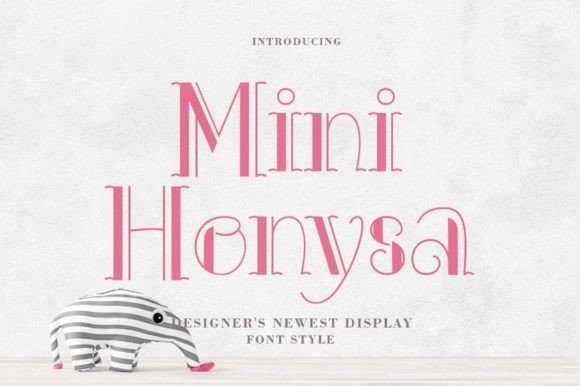
Mini Honysa refers to a stylized emblem or icon that combines minimalism with a touch of elegance. It is often used as a signature element in logos, watermarks, or decorative accents. Its simplicity makes it highly adaptable to different color schemes, fonts, and layouts, which is why it's a popular choice among designers and marketers.
When integrated into branding, Mini Honysa can serve as a unifying visual thread across all marketing materials. It helps reinforce brand identity by appearing consistently on business cards, social media posts, and even email signatures. This level of consistency is crucial for building recognition and trust with an audience.
Where Mini Honysa Fits in the Design Process
Mini Honysa can be incorporated at various stages of the design process. During the planning phase, it can be used as a placeholder or reference point when sketching out layout ideas. In the execution phase, it becomes part of the actual design, whether embedded in a logo, used as a watermark, or placed as a decorative element in a brochure.
For digital projects like social media content or website banners, Mini Honysa can be added as a subtle accent that draws attention without distracting from the main message. When creating product packaging, it can be printed in small sizes to add a refined touch that aligns with the brand's overall aesthetic.
Pre-Project Considerations
Before starting any project that involves Mini Honysa, it's important to consider its role within the broader design. Will it be the focal point, or will it support other elements? Understanding this helps in making informed decisions about size, placement, and color.
Additionally, compatibility with existing design systems should be evaluated. If the brand already has established typography or color guidelines, Mini Honysa should complement those rather than clash with them. This ensures a cohesive look across all platforms.
During Project Execution
Once the design is underway, Mini Honysa can be placed strategically to enhance visual hierarchy. For example, in a wedding invitation, it might appear as a small icon next to the event details. On a product label, it could be positioned near the brand name to create a sense of refinement.
Designers can also experiment with different variations of Mini Honysa to suit specific needs. Some may prefer a transparent version for use on dark backgrounds, while others might opt for a solid fill to stand out against lighter colors. These variations allow for greater flexibility in different applications.
Post-Project Integration
After the initial design is complete, Mini Honysa can be repurposed for future projects. It can be saved as a reusable asset in design software or stored in a centralized brand guideline document. This makes it easy to access and apply consistently across new campaigns or product lines.
Feedback from stakeholders or users after the launch of a project can also inform how Mini Honysa is used moving forward. If it receives positive responses, it may be expanded upon or adapted for other uses, such as incorporating it into animations or interactive elements on a website.
Practical Implementation Tips
To ensure that Mini Honysa is used effectively, consider the following tips:
- Consistency: Use the same version of Mini Honysa across all platforms to maintain brand recognition.
- Scalability: Ensure that the design works well at different sizes, especially if it will be used in print and digital formats.
- Color Matching: Choose colors that align with the brand's palette to avoid visual dissonance.
- Accessibility: Make sure that Mini Honysa remains legible and visually appealing even when viewed on low-resolution screens or in black-and-white prints.
These considerations help in creating a more polished and professional outcome, regardless of the medium being used.
Integrating Mini Honysa with Other Tools and Resources
Mini Honysa can be easily integrated with a variety of design tools and platforms. Vector-based design software like Adobe Illustrator or Figma allows for precise adjustments and scalability, making it ideal for creating high-quality versions of the icon.
In digital environments, Mini Honysa can be exported as PNG or SVG files for use in web development or mobile app interfaces. Social media managers can incorporate it into templates for Instagram posts, LinkedIn updates, or Facebook ads to maintain a consistent brand presence.
For businesses that rely heavily on print materials, ensuring that Mini Honysa is compatible with printing processes is essential. This includes checking resolution requirements and color profiles to prevent issues during production.
Long-Term Use and Brand Evolution
As brands evolve over time, so too can the use of Mini Honysa. It can be updated to reflect new branding initiatives or rebranded efforts while still maintaining its core identity. This flexibility allows it to remain relevant and effective even as the company grows and changes.
Regularly reviewing how Mini Honysa is used across different channels can provide insights into what works best. This data-driven approach helps in refining its application and ensuring that it continues to serve its purpose effectively.
Ultimately, Mini Honysa is more than just a design element—it's a strategic tool that enhances brand visibility and professionalism across a wide range of applications. By understanding its role and integrating it thoughtfully into workflows, creators and professionals can elevate their visual communication and achieve better results in their projects.