New Dream: A Stylish Script Font for Strategic Design and Communication
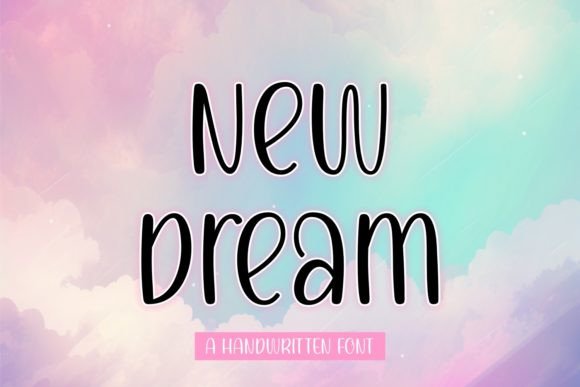
New Dream is a stylish script font that stands out for its flowing lines and graceful curves, offering a romantic and elegant aesthetic. It's more than just an artistic choice—it's a strategic tool that can enhance communication, branding, and design outcomes when used intentionally. Whether you're crafting invitations, logos, or other visual content, New Dream provides a unique opportunity to make a statement while aligning with your broader goals.
Understanding the Strategic Value of New Dream
Fonts are not merely decorative elements; they influence perception, readability, and emotional response. New Dream brings a sense of sophistication and warmth to any project. Its use can be strategically aligned with brand identity, target audience preferences, and the desired tone of communication. For instance, it may be particularly effective in industries such as luxury goods, wedding services, or creative agencies where elegance and personalization are key.
However, the strategic value of New Dream lies not only in its appearance but also in how it supports specific objectives. When integrated thoughtfully into a design or communication strategy, it can help reinforce messaging, evoke emotions, and create a lasting impression. This makes it a valuable asset for professionals who understand the importance of visual storytelling.
When to Use New Dream Effectively
Knowing when to use New Dream is crucial to maximizing its impact. It works best in contexts where a personal, handcrafted feel is desired. Consider using it for:
- Elegant Invitations: Wedding invitations, event invites, or social gatherings benefit from the romantic and sophisticated feel of New Dream.
- Brand Logos: If your brand aims to convey elegance, creativity, or exclusivity, this font can become a signature element of your visual identity.
- Marketing Materials: Brochures, flyers, or promotional content that targets a refined audience can gain an edge through the use of New Dream.
- Website Headers or Taglines: A well-placed use of New Dream on a website can draw attention and create a memorable first impression.
- Print and Digital Artwork: From posters to digital illustrations, the font adds a touch of artistry that can elevate the overall design.
Before relying on New Dream for a project, consider the context, audience, and purpose. It’s not suitable for every situation—especially those requiring high readability or a modern, minimalist look. Always test it in different formats and sizes to ensure it remains legible and visually appealing across platforms.
Planning for Intentional Use of New Dream
Using New Dream without clear planning can lead to misalignment with your goals or unintended consequences. To avoid this, take a structured approach:
- Define Your Objective: What do you want to achieve? Is it to attract a specific audience, reinforce brand values, or simply add visual appeal?
- Analyze Your Audience: Does your target demographic respond positively to script fonts? Are they likely to associate them with the message you want to convey?
- Evaluate Context and Medium: Will the font be used in print, digital media, or both? How will it appear at different sizes and resolutions?
- Test and Refine: Experiment with different layouts and pairings. Ensure that New Dream complements other design elements rather than clashing with them.
This planning phase helps prevent common pitfalls such as poor legibility, mismatched aesthetics, or overuse that could dilute the font's impact. By aligning New Dream with your strategic goals, you increase the likelihood of achieving meaningful results.
Strategic Observations and Decision-Making Guidance
While New Dream offers many benefits, it also comes with considerations that should guide your decision-making:
- Balance Creativity with Readability: Even the most beautiful font must remain functional. Avoid using it for large blocks of text where clarity is essential.
- Consider Brand Consistency: If you’re incorporating New Dream into a larger brand system, ensure it aligns with existing colors, shapes, and messaging.
- Be Mindful of Cultural Connotations: Some script fonts may carry cultural or historical associations that could influence interpretation. Research these if relevant to your project.
- Use Sparingly: Overusing New Dream can diminish its effectiveness. Reserve it for headings, logos, or key phrases rather than entire documents.
These observations highlight the need for a balanced approach. The goal is not to use New Dream for the sake of style alone, but to support a broader strategy that enhances communication and achieves desired outcomes.
Practical Examples of New Dream in Action
To illustrate how New Dream can be used strategically, consider the following examples:
Example 1: Luxury Wedding Invitations
A boutique wedding planner uses New Dream for the main text of invitations. The font's romantic feel aligns perfectly with the theme of the event, creating an inviting and elegant atmosphere. Supporting text is in a clean sans-serif font to maintain readability.
Example 2: Brand Logo for a Handmade Jewelry Business
A small business owner designs a logo using New Dream for the company name. The font reflects the artisanal nature of their products and appeals to customers seeking unique, high-quality items. The logo is paired with subtle iconography to reinforce the brand’s identity.
Example 3: Website Header for a Creative Agency
A web designer chooses New Dream for the agency’s header, making it stand out against a minimalist background. The font communicates creativity and professionalism, helping to establish trust with potential clients.
Each of these examples demonstrates how New Dream can be tailored to specific needs while maintaining a cohesive and strategic approach.
Risks of Using New Dream Without Clear Goals
While New Dream is a powerful tool, using it without a clear understanding of its role can lead to several risks:
- Misaligned Messaging: If the font doesn't match the intended tone or message, it can confuse or alienate the audience.
- Reduced Legibility: Inappropriate use can make text difficult to read, especially for those with visual impairments or in low-light conditions.
- Over-Designing: Excessive reliance on stylistic choices like New Dream can overshadow the core message or functionality of a design.
- Lack of Versatility: The font may not perform well across all platforms or devices, limiting its usefulness in multi-channel strategies.
By recognizing these risks, designers and communicators can make more informed decisions about when and how to use New Dream effectively.
In conclusion, New Dream is more than just a stylish script font—it’s a strategic asset that, when used with intention, can enhance communication, branding, and design outcomes. Whether you're creating invitations, logos, or marketing materials, thoughtful application of this font can help you achieve better results and make a stronger impact. Always plan carefully, test thoroughly, and align its use with your broader goals to ensure success.