Lovestrong: A Beautiful Calligraphy Font for Romantic and Invitational Projects
When it comes to creating visually appealing designs, the right font can make all the difference. Lovestrong is a calligraphy font that stands out with its elegant curves and romantic feel, making it an ideal choice for invitations, greeting cards, and other projects with a personal touch. Whether you're a designer, marketer, or hobbyist, understanding how to use this font effectively can elevate your work and ensure it communicates the intended emotion.
Lovestrong isn’t just another font—it’s a tool that can enhance the aesthetic of your project when used correctly. However, like any design element, it requires careful consideration to avoid common pitfalls that could detract from its beauty and effectiveness.
What Is Lovestrong and Why It Appeals to Designers
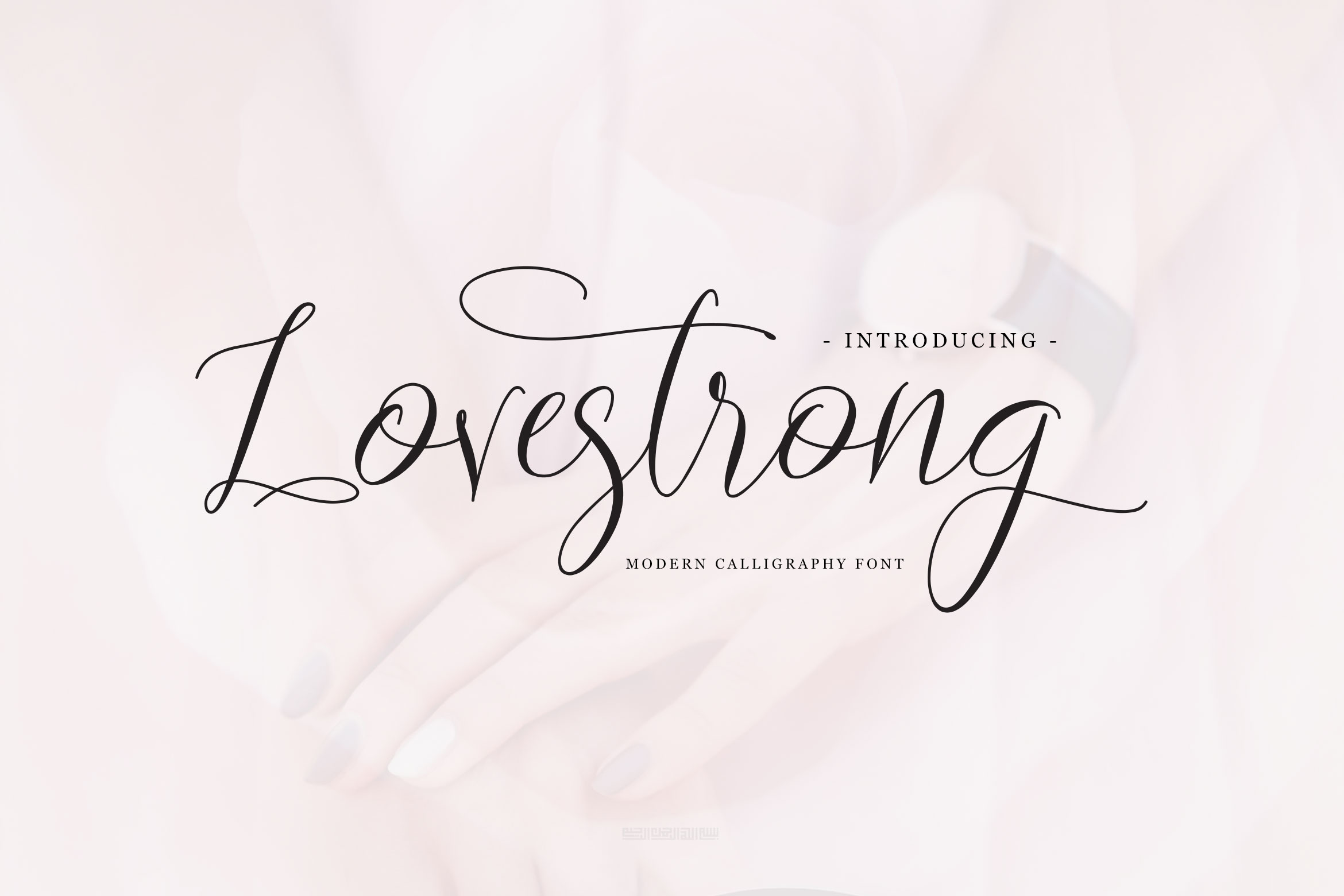
Lovestrong is a calligraphy-style font designed to evoke feelings of love, romance, and elegance. Its flowing lines and decorative elements make it especially well-suited for projects such as wedding invitations, anniversary cards, and romantic-themed branding. The font includes stylistic alternates that offer additional variations, allowing designers to customize their text for a more unique look.
Many designers are drawn to Lovestrong because of its versatility and emotional impact. It can be used in both digital and print formats, and its hand-drawn appearance gives it a personal, artisanal feel that mass-produced fonts often lack.
Common Mistakes When Using Lovestrong
While Lovestrong is visually striking, there are several common mistakes that users may make when incorporating it into their designs. These errors can affect readability, aesthetics, and overall effectiveness.
- Overusing the font: Applying Lovestrong too frequently can overwhelm the design and reduce its impact. It's best reserved for key elements like headlines or titles, where its ornate style can shine without distracting from the message.
- Ignoring legibility: While the font is beautiful, it's important to ensure that the text remains readable. Avoid using it for long paragraphs or small text sizes, as this can make the content difficult to read.
- Not utilizing stylistic alternates: Many users overlook the stylistic alternates included with Lovestrong. These alternate characters can add visual interest and help create a more personalized look. Taking the time to explore these options can significantly enhance the final result.
- Misusing color and contrast: The ornate details of Lovestrong can be lost if not paired with the right colors and backgrounds. Choosing a complementary color palette and ensuring sufficient contrast will help maintain the font’s elegance and clarity.
How to Avoid These Mistakes and Maximize Impact
To get the most out of Lovestrong, consider the following tips:
- Use it sparingly: Apply Lovestrong only where it adds value—such as on headings, logos, or special occasion invites. This ensures that the font doesn't become a distraction but rather a highlight of your design.
- Test readability: Before finalizing your design, check how the font appears at different sizes and on various devices. If the text becomes hard to read, consider simplifying the layout or adjusting the font size.
- Explore stylistic alternates: Take advantage of the alternate characters included with Lovestrong. They can add subtle variations that make your text stand out while maintaining a cohesive look.
- Choose appropriate colors: Pair Lovestrong with soft, romantic colors like pastel pinks, golds, or deep reds. Ensure that the background and text contrast well to keep the design clean and easy to read.
What to Check Before Using Lovestrong
Before incorporating Lovestrong into your project, take a moment to evaluate a few key factors:
- License terms: Make sure you understand the licensing agreement that comes with Lovestrong. Some fonts have restrictions on commercial use, so it's essential to review the terms before using them in a professional context.
- Font compatibility: Not all fonts render the same way across different platforms and devices. Test Lovestrong in various environments to ensure that it looks consistent and functions properly.
- Design purpose: Consider whether Lovestrong aligns with the tone and message of your project. While it's perfect for romantic themes, it may not be suitable for more formal or business-related designs.
- File format: Ensure that you download the correct file format (e.g., TTF, OTF) based on your software and platform. This will help prevent issues with font rendering or missing characters.
Realistic Examples and Better Approaches
Imagine designing a wedding invitation using Lovestrong. Instead of applying the font to the entire invitation, use it for the main title and pair it with a simpler sans-serif font for the body text. This approach maintains the romantic feel while ensuring that the information is easy to read.
Another example is using Lovestrong for a brand logo. Rather than overcomplicating the design, focus on a single line of text with a clean layout. This allows the font’s elegance to shine without overwhelming the viewer.
If you’re unsure about how to use Lovestrong, start by experimenting with small projects or mockups. This will give you a better sense of how the font behaves in different contexts and help you refine your approach before committing to larger designs.
Conclusion
Lovestrong is a powerful and beautiful calligraphy font that can add a touch of elegance and romance to your designs. By avoiding common mistakes and using the font thoughtfully, you can ensure that it enhances your work rather than detracts from it. Whether you're creating invitations, branding materials, or personal projects, taking the time to understand how to use Lovestrong effectively will lead to more satisfying and impactful results.