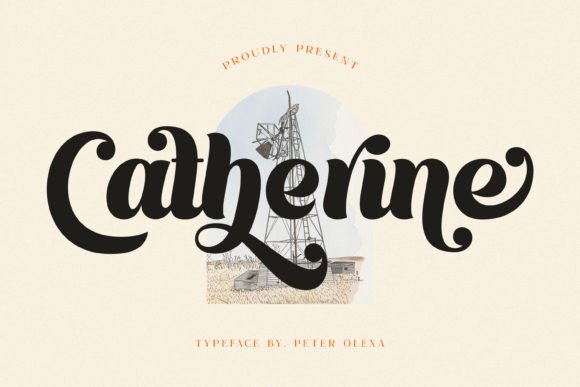
Catherine: A Font That Elevates Branding and Communication
Catherine is a bold yet graceful script font that embodies a sense of elegance and style. Its fluid, flowing lines and dramatic flourishes exude confidence and sophistication. The balanced letterforms and precise spacing make it easy to read at any size, while the unique character shapes give it a distinctive and memorable appearance. Ideal for branding, advertising, and editorial design that demands attention, Catherine offers a strategic advantage in visual communication.
Understanding the Strategic Value of Catherine
Fonts are more than just decorative elements; they are powerful tools that influence perception, emotion, and engagement. Catherine stands out as a font that combines aesthetic appeal with functional readability. Its boldness captures attention, while its grace ensures that the message remains accessible and professional.
For entrepreneurs and marketers, this duality makes Catherine an excellent choice for creating brand identities that are both memorable and trustworthy. Whether used in logos, headlines, or promotional materials, Catherine helps convey a sense of authority and refinement without sacrificing clarity.
When to Use Catherine for Maximum Impact
Catherine shines in contexts where visual impact and legibility must coexist. This includes:
- Branding: Logos, business cards, and packaging that require a touch of sophistication.
- Advertising: Headlines and taglines that need to stand out while maintaining professionalism.
- Editorial Design: Magazine covers, book titles, and feature articles that demand elegance and readability.
- Web Content: Website headers, call-to-action buttons, and hero sections that benefit from a strong visual presence.
By strategically selecting Catherine for these use cases, designers and communicators can enhance their messaging and create a cohesive visual identity that resonates with audiences.
Planning Your Use of Catherine
Before incorporating Catherine into your design or communication strategy, consider the following factors:
- Context: Ensure that Catherine aligns with the tone and purpose of your project. It may not be suitable for all environments, such as technical documentation or minimalist interfaces.
- Readability: While Catherine is designed for readability, test it across different sizes and backgrounds to ensure it remains legible in all scenarios.
- Consistency: Use Catherine consistently throughout your project to maintain a unified look and feel. Avoid mixing it with other fonts unless necessary for emphasis or contrast.
- Accessibility: Consider how Catherine will appear to individuals with visual impairments. Ensure that there is sufficient contrast and that the font does not compromise accessibility standards.
These considerations help ensure that Catherine is used effectively and responsibly, maximizing its potential while avoiding pitfalls that could undermine your goals.
Strategic Examples of Catherine in Action
Here are a few practical examples of how Catherine can be applied in real-world scenarios:
- Brand Identity: A boutique fashion label uses Catherine in its logo to communicate luxury and exclusivity. The font’s elegance reinforces the brand’s image while ensuring that the name remains easy to read and remember.
- Marketing Materials: A tech startup incorporates Catherine into its website header and email campaigns to create a balance between innovation and approachability. The font adds a touch of personality without overshadowing the core message.
- Editorial Projects: A lifestyle magazine uses Catherine for its cover titles and section headers, enhancing visual appeal while maintaining a clean and professional layout.
These examples demonstrate how Catherine can be tailored to different industries and purposes, making it a versatile tool in the designer’s toolkit.
Intentional Use of Catherine: Avoiding Common Pitfalls
While Catherine offers many benefits, its effectiveness depends on thoughtful application. Here are some common mistakes to avoid:
- Overuse: Applying Catherine to every element of a design can dilute its impact and create visual clutter. Reserve it for key elements like headings or logos.
- Inappropriate Context: Using Catherine in situations where a more formal or technical font would be better suited can confuse or alienate your audience.
- Lack of Contrast: Failing to pair Catherine with complementary fonts or colors can result in a design that feels unbalanced or unprofessional.
By being intentional with Catherine’s use, you can avoid these pitfalls and ensure that it enhances rather than detracts from your overall message.
Long-Term Benefits of Incorporating Catherine
The strategic use of Catherine can yield long-term benefits for brands and creators. Over time, consistent application of this font can help build brand recognition and reinforce a distinct visual identity. This is particularly valuable in competitive markets where differentiation is crucial.
Additionally, Catherine’s elegant and confident appearance can contribute to a positive user experience, whether through print or digital media. When users associate a brand with a visually appealing and readable font, they are more likely to trust and engage with that brand.
From a creative standpoint, Catherine also encourages thoughtful design decisions. By choosing a font that requires careful consideration of context, readability, and aesthetics, designers are prompted to think more deeply about their work and its impact.
Conclusion: Making Informed Decisions with Catherine
Catherine is more than just a font—it is a strategic asset that can elevate your branding, marketing, and communication efforts. Its bold yet graceful design allows it to stand out while remaining accessible and professional. By understanding when and how to use Catherine, you can harness its power to achieve better results and make more informed decisions.
Whether you are an entrepreneur, marketer, designer, or content creator, Catherine offers a compelling opportunity to enhance your visual storytelling and connect more effectively with your audience. Use it intentionally, thoughtfully, and with purpose to unlock its full potential.